
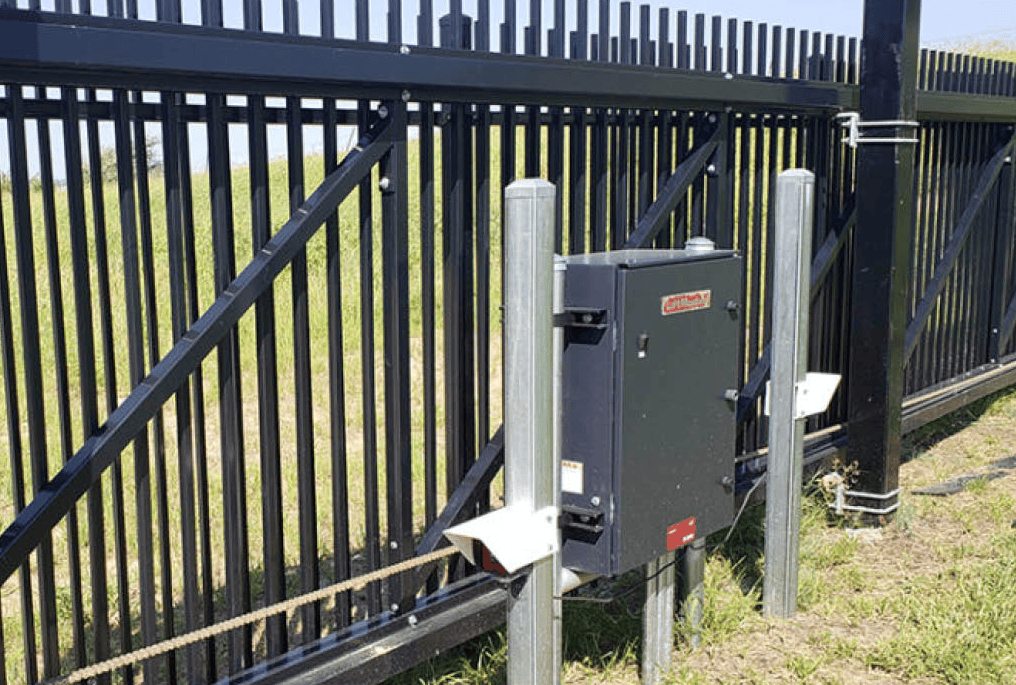
Automatic gates have become an important part of residential, commercial, and gated-community properties throughout Miami, FL. They provide convenience, privacy, controlled access, and an additional layer of security. But like any mechanical and electrical system, an automatic gate opener can eventually develop problems.
When a gate refuses to open, stops halfway, makes unusual noises, moves slowly, or closes and immediately reverses, the problem may be related to the opener, motor, electrical components, safety sensors, remote controls, wiring, or even the gate itself.
For Miami property owners, gate opener problems can be particularly frustrating because the local environment can place additional stress on outdoor equipment. High humidity, heavy rain, intense heat, salt air in coastal areas, storms, and frequent gate usage can all contribute to wear and corrosion.
This guide explains everything property owners should know about gate opener repair in Miami, FL, including common problems, possible causes, professional diagnostic procedures, maintenance recommendations, safety considerations, and when repairing an opener makes more sense than replacing it.
What Is a Gate Opener?
A gate opener, also called a gate operator, is the powered system responsible for automatically opening and closing a gate.
Depending on the installation, an automatic gate system may include:
- Electric or hydraulic motor
- Control board
- Drive mechanism
- Gearbox
- Chain or belt
- Limit switches
- Safety photo eyes
- Edge sensors
- Remote receiver
- Keypad
- Intercom or telephone-entry system
- Vehicle detection loops
- Backup battery
- Manual release mechanism
- Wiring and electrical connections
The opener works together with the physical gate. This distinction is important because a gate that appears to have an opener problem may actually have a mechanical issue.
For example, a damaged roller, bent track, misaligned hinge, or sagging gate can create excessive resistance. The opener may then struggle to move the gate even though the motor and control board are functioning properly.
A professional diagnosis should therefore evaluate the complete gate system, rather than automatically replacing the motor or control board.
Why Gate Openers Can Have Problems in Miami
Miami presents several environmental conditions that can affect outdoor gate equipment.
Humidity and Moisture
High humidity can contribute to oxidation and corrosion of exposed metal components, electrical terminals, connectors, and other hardware.
Water intrusion can also become a concern when electrical enclosures, wiring connections, or seals are damaged.
Salt Air and Coastal Exposure
Properties near Biscayne Bay, the Atlantic coast, or other coastal areas may experience greater exposure to salt-laden air.
Salt can accelerate corrosion of metal components and electrical connections. Over time, corrosion can affect:
- Motor components
- Fasteners
- Hinges
- Chains
- Electrical terminals
- Control-board connections
- Limit switches
- Wiring connections
This is one reason coastal properties may require more frequent inspection and maintenance.
Heavy Rain
Miami’s frequent heavy rainfall can expose gate systems to moisture and standing water.
Poor drainage around the operator or damaged electrical enclosures can increase the possibility of electrical problems.
Heat and Sun Exposure
Outdoor equipment is exposed to high temperatures and intense sunlight for long periods. Heat can contribute to deterioration of certain electrical and mechanical components, particularly when equipment is already old or poorly ventilated.
Storms and Electrical Surges
Severe weather can result in power interruptions, electrical surges, water intrusion, or physical damage.
A gate opener that works normally before a storm but fails immediately afterward should be inspected carefully rather than repeatedly reset.
Common Signs Your Gate Opener Needs Repair
A gate opener rarely fails without displaying warning signs first.
Some common symptoms include:
The Gate Does Not Open
If you press the remote, keypad, or access-control button and nothing happens, the cause could be:
- Loss of electrical power
- Dead backup battery
- Failed remote
- Faulty receiver
- Damaged wiring
- Control-board failure
- Motor problem
- Safety device preventing operation
A technician should determine whether the opener is receiving the correct command and power before replacing components.
The Gate Opens but Will Not Close
A gate that opens normally but refuses to close may have a safety-related issue.
Possible causes include:
- Misaligned photo eyes
- Obstructed sensors
- Damaged safety wiring
- Faulty edge sensor
- Incorrect limit adjustment
- Control-board problem
- Mechanical obstruction
Safety devices are designed to prevent the gate from closing when the system detects a potential obstruction.
Do not bypass these devices simply to make the gate operate. Entrapment protection is a critical part of an automatic gate system.
The Gate Starts Moving and Stops
A gate that begins opening or closing and then stops may be experiencing excessive resistance.
Possible causes include:
- Damaged rollers
- Debris in the track
- Gate misalignment
- Worn hinges
- Mechanical binding
- Weak motor
- Incorrect force settings
- Electrical problems
- Failing control components
A technician should inspect both the gate’s mechanical movement and the opener.
The Gate Moves Slowly
Slow operation can indicate increasing mechanical resistance or a problem with the operator.
For example, a sliding gate with worn rollers may require considerably more force than it originally did.
Other possible causes include:
- Motor wear
- Gearbox problems
- Low voltage
- Damaged wiring
- Poor lubrication
- Battery problems
- Control-board issues
Simply installing a larger motor is not necessarily the correct solution. The underlying mechanical problem should be identified first.
The Gate Makes Grinding or Squeaking Noises
New or increasingly loud noises should not be ignored.
Grinding, squeaking, clicking, popping, or rattling can indicate:
- Worn rollers
- Dry hinges
- Damaged gears
- Loose hardware
- Chain problems
- Misalignment
- Debris
- Mechanical binding
Continuing to operate a gate with a mechanical problem can place additional stress on the opener.
The Gate Reverses Before Closing
If the gate begins closing and then reverses, possible causes include:
- Photo-eye obstruction
- Misaligned safety sensor
- Damaged sensor wiring
- Incorrect limit setting
- Excessive resistance
- Control-board issue
- Safety-device malfunction
Because reversing behavior can involve entrapment protection, it should be professionally evaluated if basic visual checks do not resolve the problem.
The Remote Works Only Occasionally
Intermittent remote operation can be caused by:
- Weak remote battery
- Damaged remote
- Receiver problems
- Electrical interference
- Wiring problems
- Poor receiver connection
- Obstructions affecting the signal
If multiple remotes suddenly stop working at the same time, the receiver or opener may be a more likely suspect than all the remotes failing simultaneously.
Gate Opener Problems vs. Gate Problems
One of the most important parts of troubleshooting is determining whether the opener is actually responsible.
Consider a sliding gate.
If the gate is disconnected from the operator and is difficult to move manually, replacing the opener may not solve the problem.
The gate could have:
- A damaged track
- Worn rollers
- Bent hardware
- Poor alignment
- Debris
- A sagging frame
Likewise, a swing gate may have worn hinges or structural problems that cause excessive resistance.
A properly functioning opener still cannot reliably operate a gate that is mechanically binding.
This is why professional gate opener repair generally involves evaluating both the operator and the gate hardware.
Common Gate Opener Components That May Need Repair
Electric Motors
The motor provides the mechanical power required to move the gate.
Motor problems can result in:
- No movement
- Slow movement
- Overheating
- Unusual noises
- Intermittent operation
Depending on the condition and age of the operator, a motor may sometimes be repaired or may require replacement.
Control Boards
The control board is essentially the electronic control center of the gate operator.
It may receive signals from:
- Remotes
- Keypads
- Intercoms
- Vehicle loops
- Safety sensors
- Access-control systems
A damaged control board can create unpredictable behavior.
In Miami’s humid and coastal environment, technicians may also inspect boards and terminals for signs of moisture or corrosion.
Limit Switches
Limit switches tell the operator when the gate has reached its intended open or closed position.
Incorrect limits can cause the gate to:
- Stop too early
- Travel too far
- Fail to close
- Reverse unexpectedly
- Remain partially open
Proper adjustment should be performed according to the operator manufacturer’s requirements.
Photo Eyes and Safety Sensors
Photo eyes are designed to detect an obstruction in the gate’s path.
Dirty lenses, physical misalignment, damaged wiring, or failed sensors can prevent normal operation.
Never permanently bypass a safety sensor to make a malfunctioning gate operate.
Chains, Gears, and Drive Components
Sliding gate operators often use mechanical drive systems such as chains, gears, or related components.
Wear, corrosion, inadequate maintenance, loose hardware, or improper alignment can affect performance.
Backup Batteries
Many automatic gate systems have backup batteries so that the gate can continue operating during a power outage.
A weak battery may result in:
- Slow operation
- Failure during outages
- Intermittent operation
- Reduced backup capacity
Battery condition should be checked during routine maintenance.
Gate Opener Repair for Sliding Gates
Sliding gates are common for residential driveways, commercial properties, warehouses, apartment communities, and gated developments.
A sliding gate typically travels horizontally along a track or similar support system.
Common sliding-gate problems include:
- Gate coming off track
- Worn rollers
- Damaged track
- Chain problems
- Motor failure
- Limit-switch problems
- Safety-sensor issues
- Gate misalignment
- Debris blocking movement
- Damaged rack or drive components
Before replacing an opener, the technician should verify that the gate moves smoothly and does not require excessive force.
Gate Opener Repair for Swing Gates
Swing gates operate similarly to doors, moving inward or outward around hinges.
They may use:
- Linear actuators
- Articulated-arm operators
- Underground operators
- Hydraulic systems
Common problems include:
- Worn hinges
- Bent gate arms
- Sagging gates
- Operator failure
- Incorrect travel limits
- Hydraulic leaks
- Electrical problems
- Safety sensor faults
Double swing gates can require additional diagnosis because both leaves must work together correctly.
Access Control Problems Can Look Like Opener Problems
Sometimes the gate opener is perfectly functional, but the command telling it to open is not reaching the operator.
For example, the problem could be with:
- Remote controls
- Keypads
- Telephone-entry systems
- Intercoms
- Card readers
- Vehicle loops
- Wi-Fi or smart access systems
- Receiver modules
A complete diagnostic process should test the access-control system and the operator separately.
A gate may therefore require gate opener repair and access-control repair rather than a motor replacement.
What a Professional Gate Opener Diagnostic Should Include
A thorough service visit should begin with diagnosis rather than guessing.
The technician may inspect:
Electrical System
The technician can check:
- Incoming power
- Wiring
- Connections
- Fuses
- Voltage
- Grounding
- Battery condition
- Electrical terminals
Mechanical Operation
The gate should be evaluated for:
- Alignment
- Binding
- Roller or hinge condition
- Track condition
- Chain tension
- Hardware damage
- Excessive resistance
Operator
The opener itself may be checked for:
- Motor operation
- Control-board condition
- Gearbox condition
- Limit settings
- Drive mechanism
- Error indicators
- Abnormal sounds
Safety Equipment
Safety devices should be inspected and tested, including applicable:
- Photo eyes
- Edge sensors
- Reversing functions
- Entrapment protection
- Emergency/manual release systems
Gate Opener Repair vs. Replacement
Not every malfunction means you need a new gate opener.
Repair may make sense when:
- The operator is relatively modern
- The motor is repairable
- The control board is still available
- The gate structure is in good condition
- The failure is caused by a replaceable component
- The system has been properly maintained
Replacement may make more sense when:
- The operator is severely worn
- Replacement parts are no longer available
- Multiple major components have failed
- The system is repeatedly breaking down
- The operator is undersized for the gate
- The gate itself has been significantly upgraded
- Repair costs approach the cost of a suitable replacement
- Safety components cannot be reliably restored
The decision should be based on the condition of the complete system rather than the price of one replacement component.
How Much Does Gate Opener Repair Cost in Miami?
The cost of gate opener repair varies substantially from one property to another.
Factors that can influence the final price include:
- Type of gate
- Type of opener
- Brand and model
- Age of the system
- Motor condition
- Control-board condition
- Electrical problems
- Access-control equipment
- Safety-device requirements
- Mechanical damage
- Corrosion
- Availability of replacement parts
- Labor required
- Emergency or after-hours service
A simple adjustment or sensor issue may be significantly less expensive than replacing a motor, control board, or complete operator.
For that reason, property owners should be cautious about providers that quote a major replacement without first explaining the actual cause of the failure.
When Is Gate Opener Repair an Emergency?
Some gate problems can wait for a scheduled service appointment. Others deserve immediate attention.
Consider urgent service when:
- The gate is stuck open and property security is compromised
- The gate is stuck closed and blocks necessary vehicle access
- The gate is moving unpredictably
- The gate reverses incorrectly
- A safety sensor has failed
- Electrical components appear damaged
- There is exposed wiring
- The gate has physically come off its track
- A structural component is broken
- The gate is at risk of falling or collapsing
Do not attempt to force a heavy automatic gate open or closed if it appears mechanically damaged.
What Property Owners Can Safely Check
There are several basic observations a property owner can make before contacting a professional.
Check the Power
Verify that the operator has power and that the relevant electrical supply has not been interrupted.
Check the Remote Battery
If only one remote has stopped working, replacing its battery may resolve the problem.
Look at the Photo Eyes
Check whether the safety sensors appear blocked by leaves, dirt, spider webs, or other obvious debris.
Do not alter wiring or bypass the sensors.
Look for Visible Obstructions
For sliding gates, check the visible track area for obvious debris.
For swing gates, check for objects blocking the gate’s travel path.
Observe the Symptoms
Take note of exactly what happens:
- Does the motor make a sound?
- Does the gate move?
- Does it stop?
- Does it reverse?
- Does the remote work intermittently?
- Did the problem begin after heavy rain or a storm?
These observations can help a technician diagnose the problem more efficiently.
What You Should Not Do Yourself
Automatic gate systems combine electrical power, moving machinery, heavy structures, and safety equipment.
Property owners should generally avoid:
- Opening electrical control boxes without appropriate training
- Bypassing safety sensors
- Changing force settings without understanding the system
- Disabling entrapment protection
- Working on live electrical circuits
- Forcing a damaged gate
- Removing motor components without securing the gate
- Attempting to repair high-voltage wiring
- Defeating safety switches to make the gate operate
A temporary workaround can turn a minor malfunction into a serious safety problem.
Preventive Gate Opener Maintenance in Miami
Regular maintenance can help identify problems before they become expensive failures.
A professional maintenance inspection may include:
- Cleaning and inspecting the operator
- Checking electrical connections
- Inspecting wiring
- Testing safety sensors
- Checking limit settings
- Inspecting rollers and hinges
- Checking chains and drive components
- Inspecting gate alignment
- Testing remotes
- Testing keypads
- Checking backup batteries
- Looking for corrosion
- Testing manual release mechanisms
- Verifying proper gate travel
The appropriate maintenance frequency depends on the gate type, usage, environment, manufacturer recommendations, and condition.
High-traffic commercial gates generally require more attention than lightly used residential gates.
Special Maintenance Considerations for Coastal Miami Properties
If your property is close to the ocean or bay, corrosion prevention deserves additional attention.
A technician should periodically inspect:
- Metal hardware
- Electrical terminals
- Operator housing
- Fasteners
- Chains
- Hinges
- Gate frame
- Control-board connections
- Grounding connections
- Exposed wiring
Visible corrosion should not automatically be treated as cosmetic. Corrosion can eventually affect structural strength and electrical reliability.
Choosing a Gate Opener Repair Company in Miami
Choosing the right repair provider is just as important as identifying the problem.
Look for a company that:
Look for Visible Obstructions
- Has experience with automatic gates
- Works on both residential and commercial systems when appropriate
- Understands sliding and swing gates
- Can diagnose electrical and mechanical problems
- Tests safety equipment
- Works with your gate opener’s brand and model
- Provides a clear explanation of the problem
- Gives you a written estimate when appropriate
- Does not recommend unnecessary replacement
- Understands Miami’s environmental conditions
- Can repair or evaluate access-control equipment when necessary
Miami has numerous companies offering gate and access-control services. For example, local search results include providers such as GARAGE & GATE REPAIR FLORIDA LLC, Miami Access Control & Automatic Gate Repair, and Gate Openers Unlimited Corp. Always verify current licensing, insurance, service area, warranties, and pricing directly before hiring a contractor.
Questions to Ask Before Hiring a Repair Technician
Before authorizing work, consider asking:
- What is causing the gate opener problem?
- Is the problem electrical, mechanical, or both?
- Can the existing operator be repaired?
- Are replacement parts still available?
- Is the gate itself contributing to the problem?
- Have the safety sensors been tested?
- Is the operator properly sized for the gate?
- What parts are being replaced?
- Is labor included in the estimate?
- Is there a warranty on the repair?
- Does the recommended work meet applicable safety requirements?
- Would repair or replacement provide better long-term value?
A reputable technician should be willing to explain the recommendation in understandable terms.
Why Professional Diagnosis Matters
Replacing parts without identifying the root cause can become expensive.
For example, suppose a sliding gate is difficult to move because of worn rollers.
Replacing the motor may temporarily change the symptoms, but the mechanical resistance remains. The new motor could then experience unnecessary strain.
Likewise, if a control board appears to have failed but the real issue is damaged wiring or corrosion, replacing the board alone may not permanently solve the problem.
A systematic diagnosis helps identify the underlying cause rather than simply replacing the most obvious component.
Gate Opener Safety Should Always Come First
Automatic gates are heavy moving structures. They are not simply oversized doors.
A malfunctioning gate can create risks for:
- Children
- Pedestrians
- Pets
- Drivers
- Employees
- Visitors
- Residents
Safety sensors and entrapment-protection systems exist to reduce these risks.
If a gate behaves unpredictably, moves without an expected command, fails to reverse properly, or has damaged safety equipment, discontinue use when possible and have the system professionally inspected.
Frequently Asked Questions About Gate Opener Repair in Miami
How do I know whether my gate opener or gate is broken?
Observe whether the gate moves freely when operated according to the manufacturer’s approved manual-release procedure. If the gate itself is difficult to move, the mechanical system may be contributing to the problem. A professional should evaluate the gate and operator together.
Why does my automatic gate work sometimes but not other times?
Intermittent failures can result from loose wiring, corrosion, failing control boards, weak batteries, receiver problems, safety sensors, overheating, or mechanical resistance.
Intermittent problems can be particularly difficult to diagnose because the system may appear normal when a technician first arrives.
Why won’t my gate close?
Check for obvious obstructions around the gate and safety sensors. If the gate still will not close, the problem may involve photo eyes, wiring, limit settings, the control board, or mechanical resistance.
Do not bypass safety equipment.
Can rain damage a gate opener?
Water intrusion can contribute to electrical and corrosion-related problems, especially when equipment enclosures, wiring, seals, or drainage are compromised. Outdoor gate operators should be installed and maintained appropriately for their environment.
Does salt air affect gate openers?
Yes. Coastal exposure can accelerate corrosion of metal hardware and electrical connections. Properties closer to the coast may benefit from more frequent inspections and corrosion-focused maintenance.
Should I repair or replace my gate opener?
It depends on the operator’s age, condition, availability of parts, extent of damage, frequency of failures, and cost of repair compared with replacement.
A professional inspection can help determine which option provides better long-term value.
Can a gate opener motor be repaired?
Sometimes. The answer depends on the motor design, failure type, availability of parts, age of the operator, and overall condition of the system.
How often should an automatic gate be serviced?
There is no single schedule that fits every property. Usage, climate, gate design, operator type, manufacturer recommendations, and environmental exposure all matter. High-use gates and coastal installations may require more frequent inspection.
Final Thoughts
A malfunctioning automatic gate can quickly become more than an inconvenience. It can affect property security, vehicle access, convenience, and safety.
For Miami property owners, the combination of humidity, heavy rainfall, heat, coastal air, storms, and frequent gate usage makes proper maintenance especially important.
When a gate opener stops working, the best approach is to identify the root cause rather than immediately replacing the motor or control board. The opener, gate hardware, electrical system, access controls, and safety equipment all work together, and a problem with one component can affect the entire system.
Professional gate opener repair in Miami, FL should therefore include a complete inspection, accurate diagnosis, appropriate repair or replacement, and thorough testing of the gate’s safety functions.
With regular maintenance and timely repairs, an automatic gate system can remain reliable, secure, and convenient for years to come.