
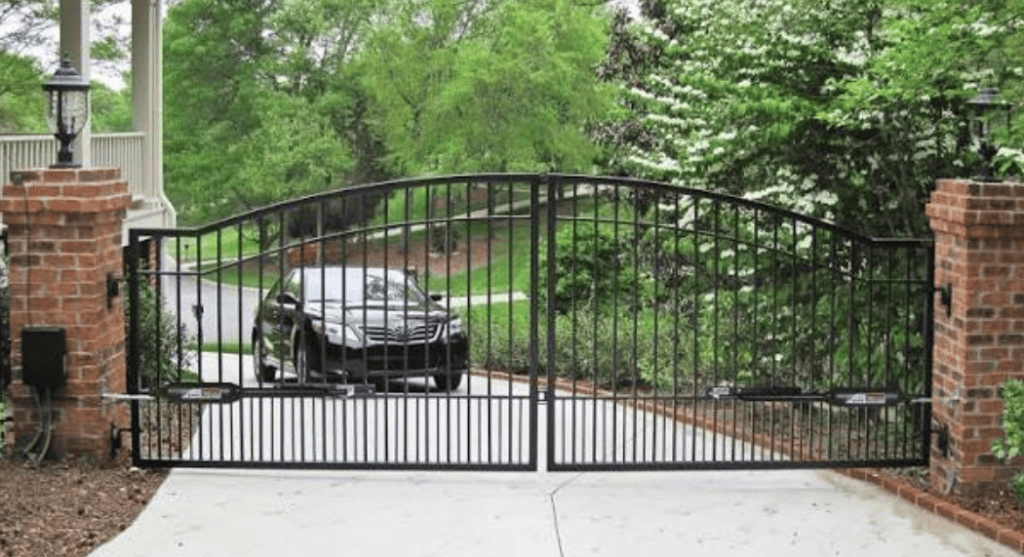
Introduction to Automatic Gate Opener Services
Automatic gate opener services play an important role in improving the convenience, security, and functionality of residential, commercial, and industrial properties. An automatic gate opener allows a gate to open and close without requiring someone to manually move it. Depending on the system, the gate can be operated through a remote control, keypad, access card, smartphone, vehicle sensor, intercom, or other access control device.
Over time, automatic gate systems can experience problems caused by regular use, weather exposure, electrical issues, worn components, improper installation, or lack of maintenance. Professional automatic gate opener services can help property owners install suitable systems, diagnose problems, replace damaged components, and keep gate openers operating safely and reliably.
Local Gates Services provides automatic gate opener solutions designed around the type of gate, property requirements, access needs, and operating conditions. Understanding how these systems work and what services they require can help property owners make better decisions about installation, repairs, and maintenance.
What Is an Automatic Gate Opener?
An automatic gate opener is a motorized mechanism that controls the movement of a gate. Instead of manually opening and closing the gate, the motor receives a signal from an access device and moves the gate through its opening and closing cycle.
Automatic gate openers are available in different configurations because gates vary in size, weight, design, and movement. A suitable opener must provide enough power to move the gate while also working with the gate’s mechanical components and safety equipment.
A complete automatic gate system can include a motor, control board, electrical wiring, limit switches, sensors, remote controls, safety devices, batteries, access control equipment, and other components. When these components work together correctly, the gate can provide convenient and controlled property access.
How Automatic Gate Openers Work
Automatic gate openers generally operate through a motor and control system. When an authorized person activates the system, a signal is sent to the gate opener’s control board. The control board then activates the motor, which moves the gate in the required direction.
The opener continues operating until the gate reaches its programmed stopping position or the control system detects a safety condition. Limit switches, sensors, encoders, or other positioning technology can help determine when the gate should stop.
Modern systems can also integrate with access control equipment. This can allow property owners to control entry through remote transmitters, keypads, telephone entry systems, intercoms, card readers, vehicle detection systems, or smartphone applications.
Types of Automatic Gate Openers
Different gate designs require different types of automatic gate openers. Selecting the correct opener depends on how the gate moves, its dimensions, weight, frequency of use, and available power.
Sliding Gate Openers
Sliding gate openers are designed for gates that move horizontally along a track or similar pathway. A motor typically drives a gear that engages with a rack attached to the gate, allowing the gate to move sideways.
Sliding gate openers can be suitable for residential driveways, commercial entrances, apartment communities, industrial facilities, and other properties where there is sufficient space beside the gate for horizontal movement.
The track, rollers, wheels, and alignment of a sliding gate are important to opener performance. A powerful motor cannot compensate for a gate that is severely misaligned or difficult to move manually.
Swing Gate Openers
Swing gate openers are designed for gates that rotate inward or outward on hinges. Depending on the design, a swing gate may have one leaf or two leaves.
Swing gate operators can use different mechanisms, including articulated arms, linear actuators, or underground operating systems. The appropriate configuration depends on the gate’s construction, available space, opening angle, and installation requirements.
Proper hinge condition and gate alignment are particularly important for swing gate systems. Mechanical resistance can place unnecessary strain on the opener.
Dual Swing Gate Openers
Dual swing gate systems operate two gate leaves simultaneously or according to a programmed sequence. These systems require coordination between the operators so that both sides open and close correctly.
Professional installation is particularly important for dual gates because incorrect timing or positioning can cause the leaves to collide or create unsafe operating conditions.
Heavy-Duty Gate Openers
Commercial and industrial gates often require heavy-duty operators designed for frequent cycles and larger gate weights. These systems may incorporate stronger motors, durable gear systems, advanced controls, and additional safety equipment.
The correct operator should be selected according to the manufacturer’s specifications and the expected usage of the gate. Using an opener that is undersized for a heavy or frequently used gate can contribute to premature wear and repeated failures.
Automatic Gate Opener Installation
Automatic gate opener installation involves more than attaching a motor to the gate. The operator must be properly positioned and connected with the gate’s mechanical and electrical systems.
Before installation, the gate should be evaluated for movement, alignment, weight, hinge or roller condition, available power, and surrounding clearance. Any existing mechanical problems should be addressed before the automatic operator is installed.
The control board, wiring, safety equipment, access devices, and operating limits also need to be configured correctly. A properly installed system should allow the gate to move smoothly while providing appropriate stopping and safety functions.
Choosing the Right Automatic Gate Opener
Choosing an automatic gate opener requires consideration of several factors. Gate type is one of the first considerations because sliding and swing gates use different operating mechanisms.
Gate weight and dimensions are also important. A larger or heavier gate generally requires an operator with sufficient capacity for the application.
Frequency of use should also be considered. A gate used occasionally at a private residence has different operating requirements from a commercial entrance that cycles hundreds of times each day.
Available power, environmental conditions, security requirements, access control features, and available space can also influence the appropriate system.
Automatic Gate Opener Repair
Even well-installed gate openers can eventually require repair. Frequent operation, weather exposure, electrical fluctuations, physical impact, component wear, and other factors can affect system performance.
Automatic gate opener repair begins with identifying the underlying problem rather than simply replacing parts. A technician may inspect the motor, control board, wiring, sensors, remote controls, battery, gears, limit settings, and mechanical components of the gate.
Identifying the actual cause of a failure can help prevent the same problem from returning after the repair.
Common Automatic Gate Opener Problems
Automatic gates can experience several different operating problems. A gate may fail to open, stop before reaching the fully open position, close unevenly, move slowly, reverse unexpectedly, or operate intermittently.
Some systems may respond to one remote control but not another. Other problems may involve keypad access, safety sensors, batteries, electrical connections, or control boards.
The symptoms can sometimes indicate a mechanical problem rather than an opener problem. For example, a gate that has become difficult to move manually may place excessive load on the operator.
Gate Opener Motor Problems
The motor is one of the most important components of an automatic gate opener. Motor problems can result in weak movement, unusual noises, intermittent operation, or complete failure.
Motor issues may be associated with worn components, electrical problems, excessive gate resistance, overheating, or other internal failures. Professional diagnosis can help determine whether the motor can be repaired or whether replacement is more appropriate.
Automatic Gate Control Board Issues
The control board functions as the central electronic component of many automatic gate opener systems. It receives signals from access devices and controls the operation of the motor and other components.
Control board problems can cause unpredictable behavior, failure to respond to commands, incorrect opening and closing cycles, or complete system failure.
Electrical surges, moisture, damaged wiring, component failure, and age can contribute to control board problems. Proper diagnosis is necessary before replacing the board because other electrical issues can produce similar symptoms.
Automatic Gate Safety Sensor Problems
Safety sensors are an important part of many automatic gate systems. They are designed to help detect objects or people in areas where gate movement could create a hazard.
Dirty, misaligned, damaged, or incorrectly wired sensors can prevent a gate from operating normally. A system may refuse to close or may reverse direction because the control system believes an obstruction is present.
Keeping sensors clean and properly aligned can help maintain reliable operation, although electrical or sensor failures may require professional service.
Remote Control and Keypad Problems
Remote controls and keypads provide convenient access to automatic gates, but they can experience their own problems. A remote may stop working because of a depleted battery, damaged transmitter, programming issue, or receiver problem.
Keypads can also experience worn buttons, power problems, wiring issues, or programming failures. Troubleshooting the access device and the gate opener separately can help determine where the problem originates.
Automatic Gate Opener Battery Replacement
Battery-powered or backup-powered gate systems depend on batteries to maintain operation during power interruptions. Batteries naturally lose capacity as they age.
A weak battery may cause slow operation, intermittent performance, or failure during a power outage. Regular inspection and replacement when necessary can help ensure that backup systems remain available when needed.
Battery condition should also be considered when a gate opener appears to have an electrical problem, particularly if the system has been operating for several years.
Automatic Gate Opener Maintenance
Regular maintenance can help reduce unnecessary wear and identify developing problems before they become major failures.
Maintenance may include inspecting the gate structure, hinges, rollers, tracks, operator components, wiring, batteries, safety sensors, and access control devices.
Mechanical components should remain properly aligned and free from conditions that make the gate difficult to move. Electrical components should also be inspected for visible damage, moisture intrusion, loose connections, or other issues.
The recommended maintenance schedule depends on the gate type, operator, environment, and frequency of use.
Why Gate Alignment Matters
Gate alignment has a direct effect on automatic opener performance. A gate that drags against the ground, binds on its track, or has damaged hinges requires more force to move.
When the operator must constantly overcome excessive resistance, the motor and mechanical components can experience additional stress.
For this reason, automatic gate opener troubleshooting should include an evaluation of the gate itself. Repairing or adjusting the gate may solve an opener problem without requiring replacement of the motor.
Automatic Gate Opener Electrical Services
Automatic gate systems rely on electrical components to power the motor and control system. Electrical problems can affect the entire gate system.
Damaged cables, loose connections, faulty power supplies, blown components, and moisture can cause intermittent or complete failures.
Electrical work around automatic gates should be handled carefully and according to applicable electrical and equipment requirements. Correct wiring and grounding are important for reliable system operation.
Smart Automatic Gate Openers
Modern automatic gate opener systems can offer smart access features that allow property owners to manage gates using connected devices.
Depending on the equipment, smart gate systems may support smartphone control, remote monitoring, access notifications, user management, and integration with other security systems.
These features can be particularly useful for properties that need to manage access for multiple residents, employees, contractors, or visitors.
Automatic Gate Openers and Access Control
Automatic gate openers can be integrated with different access control systems. These may include keypads, card readers, telephone entry systems, intercoms, vehicle sensors, remote transmitters, and smart access applications.
The access control system determines who can request entry, while the gate operator controls the physical movement of the gate.
Combining these systems can provide property owners with greater control over vehicle and pedestrian access.
Automatic Gate Opener Services for Residential Properties
Residential automatic gate systems are commonly installed at driveways, private entrances, and larger properties. Homeowners may choose automatic gate openers for convenience, controlled access, privacy, and security.
Residential systems should be appropriately sized for the gate and expected frequency of use. Convenience features such as remote controls, keypads, vehicle sensors, and smartphone access can also be incorporated depending on the system.
Automatic Gate Opener Services for Commercial Properties
Commercial properties often have different requirements because gates may be used frequently throughout the day. Businesses may also need access control systems that support employees, customers, delivery vehicles, and authorized contractors.
A commercial automatic gate system should be selected according to the gate’s operating cycle, size, traffic volume, security requirements, and available access control infrastructure.
Regular maintenance is especially important for high-use commercial gates because frequent cycling can accelerate component wear.
Automatic Gate Opener Services for Industrial Properties
Industrial facilities may use large and heavy gates to control access to warehouses, manufacturing facilities, storage yards, and other restricted areas.
These applications can require heavy-duty operators and specialized access control equipment. Safety devices and system configuration should be appropriate for the size and operating environment of the gate.
Preventive maintenance can also be particularly valuable for industrial gates because an unexpected gate failure can disrupt vehicle movement and site operations.
When Should an Automatic Gate Opener Be Repaired?
An automatic gate opener should be inspected when it begins showing unusual behavior. Slow movement, excessive noise, repeated stopping, inconsistent operation, or failure to respond can indicate a developing problem.
Addressing problems early can sometimes prevent more extensive damage to the operator or gate structure.
If the gate becomes difficult to move manually, it is also important to investigate the mechanical condition of the gate rather than assuming the motor itself is defective.
When Should an Automatic Gate Opener Be Replaced?
Replacement may be appropriate when an opener has extensive mechanical or electrical damage, is no longer suitable for the gate, or has reached the end of its useful service life.
A replacement can also make sense when an older system lacks features required by the property owner, such as modern access control or backup power.
The decision between repair and replacement should consider the condition of the existing equipment, repair costs, compatibility, expected future use, and reliability.
Benefits of Professional Automatic Gate Opener Services
Professional automatic gate opener services can help ensure that equipment is correctly selected, installed, configured, and maintained.
Proper service can improve operating reliability, help identify mechanical and electrical problems, and reduce the likelihood of recurring issues.
Professional inspection can also identify problems that may not be obvious during normal operation, such as worn rollers, deteriorating wiring, incorrect alignment, or improperly adjusted safety equipment.
How to Maintain an Automatic Gate Opener
Property owners can help maintain their automatic gate systems by keeping the gate’s operating area clear and observing how the gate behaves during normal cycles.
Unusual sounds, changes in speed, incomplete opening or closing, repeated reversals, and inconsistent remote operation should not be ignored.
Regular professional inspections can help identify wear and electrical or mechanical problems before they result in complete system failure.
Safety Considerations for Automatic Gates
Automatic gates are moving mechanical systems and should be operated with appropriate safety equipment and procedures. People, vehicles, pets, and objects should remain clear of the gate’s movement path.
Safety sensors and other protective devices should be maintained and tested according to the equipment manufacturer’s requirements.
Gate owners should never bypass safety features simply to make a malfunctioning system operate. A safety device that is not functioning correctly should be inspected and repaired before normal operation continues.
Why Choose Local Gates Services for Automatic Gate Opener Services?
Local Gates Services focuses on helping property owners understand and maintain their automatic gate systems. Automatic gate opener services can include installation, troubleshooting, repair, maintenance, component replacement, and access control solutions depending on the requirements of the property.
Every gate system has different mechanical and operational requirements. Evaluating the gate, opener, access equipment, and operating environment can help determine the most appropriate solution.
Conclusion
Automatic gate opener services cover much more than installing a motor. A dependable automatic gate system requires the correct operator, proper installation, functional mechanical components, reliable electrical connections, appropriate safety equipment, and regular maintenance.
Understanding the differences between sliding and swing gate openers, recognizing common operating problems, and maintaining important components can help extend the life of an automatic gate system.
Whether a property requires a new automatic gate opener, repair for an existing system, maintenance, access control integration, or replacement of worn components, Local Gates Services can help property owners evaluate their gate opener requirements and maintain a reliable automatic gate system.